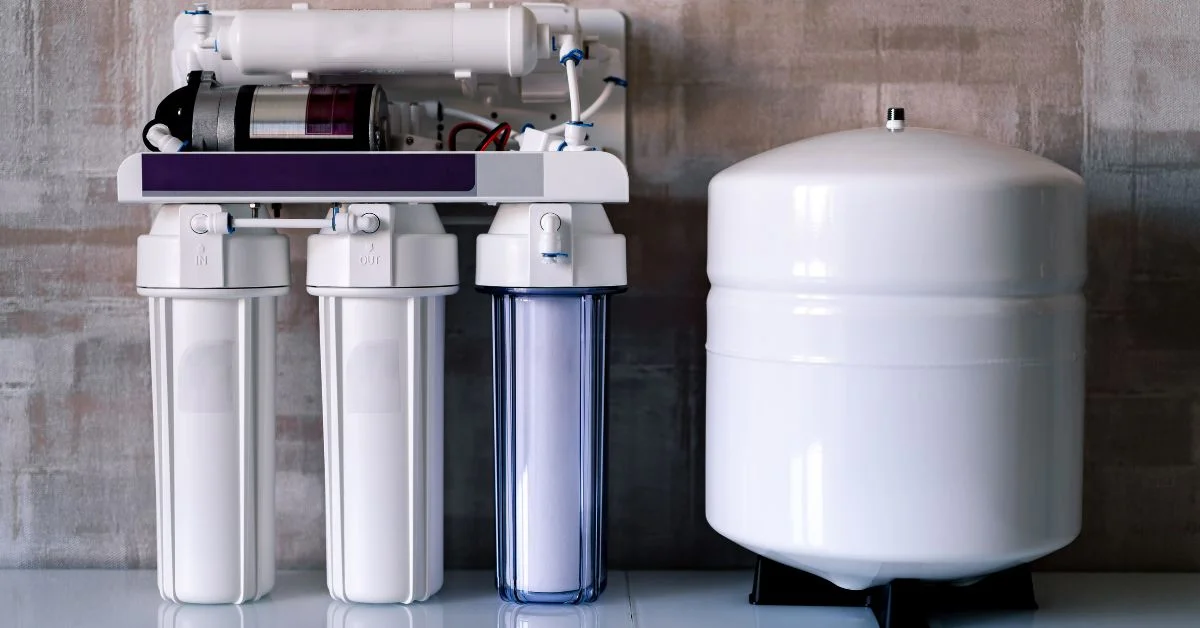
Hard water is a widespread issue in many U.S. households, leaving white stains on sinks, dishes, and faucets, and causing dry skin, brittle hair, and shortened appliance lifespans. Addressing it effectively requires understanding water softener costs, installation options, and ongoing maintenance. Depending on the system type, brand, home size, and water hardness, homeowners can expect to spend anywhere from a few hundred dollars for a DIY setup to over $6,000 for high-capacity professional installations. Knowing what influences these costs is key to making the best investment for long-term home water quality.
A water softener isn’t just a luxury,it protects plumbing, extends the life of appliances, and improves daily water usage experiences. Whether choosing a salt-based ion exchange system, a salt-free conditioner, or a dual-tank setup, understanding the price breakdown, pros and cons, and regional cost differences can save homeowners thousands over the system’s lifespan.
Understanding Water Softener Costs
Water softener costs are influenced by multiple factors including the type of system, brand, installation method, and your home’s water hardness and usage. Below is a practical overview:
| System Type | Unit Cost Range | Installation Labor | Typical Maintenance |
| Salt-based Ion Exchange | $500 , $3,000 | $100 , $1,000+ | $200 , $700/year |
| Salt-free Conditioners | $800 , $4,000 | $100 , $500+ | $100 , $300/year |
| Magnetic/Electronic | $100 , $600 | DIY or minor labor | Minimal, occasional checks |
| Dual-tank or High-Capacity | $2,000 , $6,000+ | $300 , $1,500 | $300 , $700/year |
The upfront price of the hardware is only part of the total cost. Installation complexity, plumbing modifications, and regular maintenance like resin or salt replacement contribute significantly.
Salt vs Salt-Free Water Softeners
Choosing between a salt-based system and a salt-free alternative is often the first decision for homeowners.
Salt-Based (Ion Exchange)
- How it works: Hard minerals (calcium and magnesium) are replaced with sodium ions in a resin tank.
- Pros: Produces genuinely soft water for the entire home, protects appliances, improves cleaning efficiency.
- Cons: Requires periodic salt replenishment, slightly higher water usage during regeneration.
Salt-Free Conditioners
- How it works: Uses template-assisted crystallization or similar technologies to prevent mineral buildup without removing hardness.
- Pros: Low maintenance, no salt, eco-friendly.
- Cons: Water remains technically hard, not ideal for heavy scaling problems.
Magnetic/Electronic Conditioners
- How it works: Alters the behavior of minerals in water to reduce scale.
- Pros: Budget-friendly, simple to install.
- Cons: Effectiveness varies; best for moderately hard water.
Brand-Specific Water Softener Costs
Selecting a reliable brand ensures long-term performance and fewer repairs. Here’s a detailed comparison:
| Brand | Typical Installed Cost | Pros | Cons |
| Culligan | $1,800 , $2,500 | Trusted nationwide, reliable service, easy maintenance | Higher initial investment than basic systems |
| Kinetico | $3,000 , $6,000 | Dual-tank, no electricity needed, minimal maintenance | Premium cost, professional installation required |
| EcoWater | $1,500 , $2,000 | Budget-friendly, salt and salt-free options | Some models require larger space, moderate maintenance |
| Puronics | $1,200 , $2,500 | Good warranty, effective salt-based systems | Less widely available in some regions |
| Hague | $1,800 , $3,000 | NSF-certified, reliable dual-tank options | Higher initial cost, may require professional installation |
These ranges reflect nationwide averages, but costs can vary regionally. For example, installation in urban areas often exceeds rural pricing due to labor rates and plumbing complexity.
Regional Cost Differences
Water softener costs fluctuate across the U.S. due to labor, material, and shipping expenses. Here’s a snapshot of typical installation costs by region:
| Region | Small DIY System | Mid-Range Professional | High-End/Whole House |
| Northeast | $400 , $800 | $1,500 , $3,000 | $3,500 , $6,000 |
| South | $300 , $700 | $1,200 , $2,500 | $3,000 , $5,500 |
| Midwest | $350 , $750 | $1,300 , $2,700 | $3,200 , $5,800 |
| West | $400 , $900 | $1,600 , $3,200 | $3,800 , $6,500 |
Cities with higher plumbing labor costs,like New York, Boston, or San Francisco,often see premium installation prices. Smaller towns or suburban areas may offer lower rates, making DIY or basic professional installations more affordable.
DIY vs Professional Installation
DIY Installation
- Pros: Saves $200,$1,000 on labor, flexible scheduling, control over setup.
- Cons: Risk of leaks, improper connections, voided warranties, reduced efficiency.
- Best for: Experienced DIYers or small, pre-plumbed systems.
Professional Installation
- Pros: Ensures correct plumbing, optimal system performance, may include warranty coverage, avoids water damage risks.
- Cons: Labor cost adds $300,$1,500 depending on system complexity and regional rates.
For a full guide on professional water softener installation costs, see our detailed breakdown of labor and hidden fees.
Determining the Right Water Softener Size
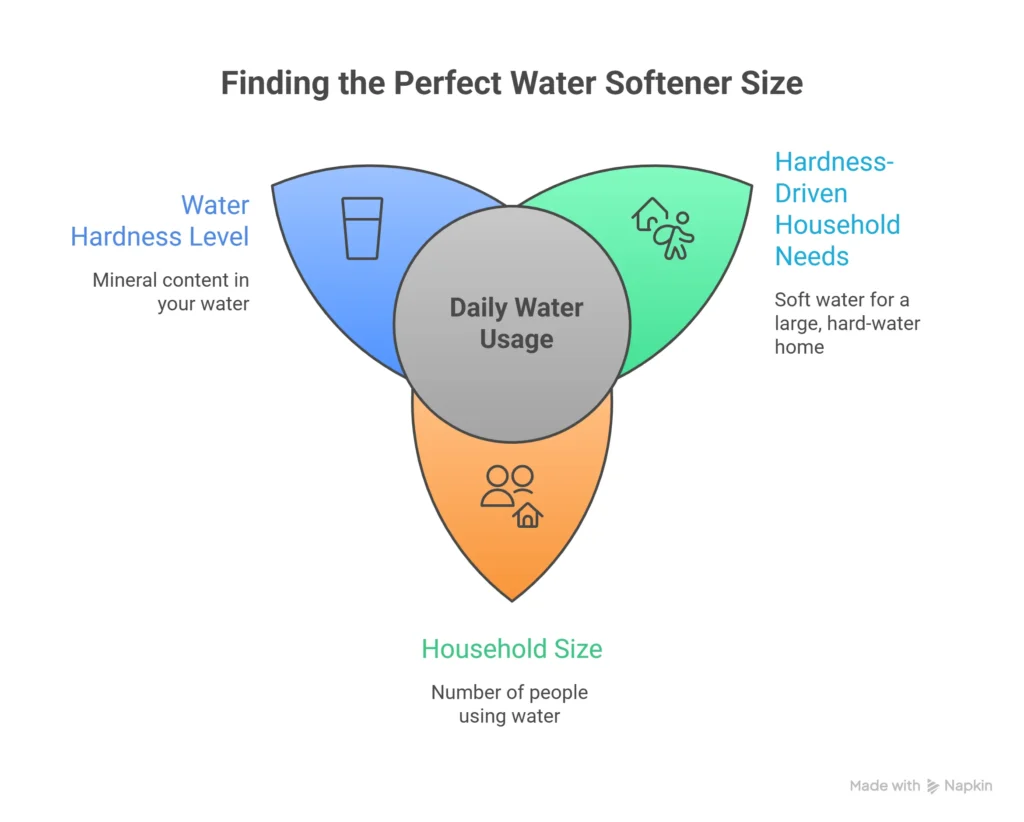
System capacity is measured in grains, reflecting the amount of hardness it can remove before regeneration. Key factors:
- Household Size: More people = higher water usage.
- Water Hardness: Measured in grains per gallon (GPG). Water over 7 GPG is considered hard.
Example: A four-person household with water hardness of 12 GPG:
- Daily water use: 4 x 90 gallons = 360 gallons
- Daily grains removed: 360 x 12 = 4,320 grains
- Multiply by 10 to find ideal system capacity: 4,320 x 10 = 43,200 grains
A 48,000-grain water softener would be the right fit, ensuring efficient operation without overspending.
Maintenance and Replacement Costs
Proper maintenance extends system life and prevents plumbing issues:
- Salt Replenishment: $10,$30/month for medium-sized households.
- Resin Replacement: $200,$400 every 10,15 years.
- Filter Replacement: $50,$150/year depending on system type.
- Professional Servicing: $100,$250 annually for inspection, cleaning, and minor repairs.
Neglecting maintenance can lead to scale buildup, reduced water flow, and costly repairs. Check how much it costs to replace a water softener to plan for eventual upgrades.
Common Mistakes and Misconceptions
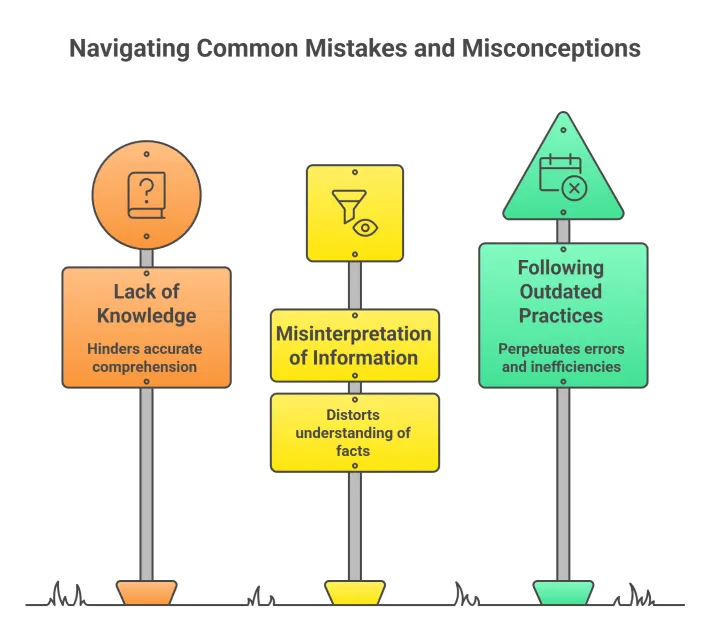
- Buying the cheapest system: Low-cost units often fail sooner, costing more over time.
- Ignoring water hardness: Oversized or undersized systems waste money or underperform.
- Skipping professional consultation: Mistakes in plumbing can lead to leaks or efficiency loss.
- Assuming salt-free softeners fully soften water: They condition water but do not remove minerals completely.
- Neglecting ongoing maintenance: Regular checks and resin replacement prevent costly repairs.
Cost-Saving Tips
- Check your water hardness before purchasing,avoid oversizing.
- Consider DIY installation if confident, but weigh potential risks.
- Shop during promotions,many brands offer discounts or bundled maintenance packages.
- Evaluate salt vs salt-free systems for long-term costs; salt-free may save on ongoing purchases.
- Combining plumbing upgrades,installing during a remodel can save labor costs.
For a step-by-step DIY cost-saving guide, follow our recommendations to reduce installation and maintenance expenses.
FAQs:
What is the average cost of a water softener system?
Most homeowners spend between $1,000 and $3,000 for a standard system with professional installation.
How much does a DIY water softener cost?
DIY units typically range from $300 to $1,000, depending on system size and included features.
Are high-capacity systems worth the price?
Yes. Larger households or homes with very hard water benefit from high-capacity systems, which reduce the frequency of regeneration and maintenance.
What’s the difference between salt and salt-free water softeners?
Salt-based systems remove hardness minerals like calcium and magnesium, while salt-free systems condition water to prevent scale buildup without actually softening it.
How often should water softener resin be replaced?
Resin usually needs replacement every 10,15 years, depending on water hardness, household usage, and maintenance.
Do all water softeners require professional installation?
No. Smaller units can be installed by homeowners, but professional installation ensures proper efficiency and preserves warranty coverage.
How do regional costs affect installation?
Installation costs vary based on labor rates, permit requirements, and plumbing complexity. Urban areas typically incur higher costs than rural locations.
Can I use a water softener with well water?
Yes, but it is important to test the water first to determine hardness levels and select the right system type and capacity.
What brands offer the best long-term value?
Reliable brands include Culligan, Kinetico, and EcoWater, known for strong warranties and low maintenance needs.
When should a water softener be replaced?
Replacement is usually needed when you notice reduced water pressure, persistent white scale buildup, or failing appliances despite regular maintenance.
Real-Life Example
Consider the Johnson family in Tucson, Arizona. They had 12 GPG hard water and a four-person household. Their 48,000-grain EcoWater system, professionally installed, cost $1,850, including labor.
Annual maintenance,salt and inspection,added about $350/year. Over 10 years, the system saved hundreds in appliance repairs and detergent costs, highlighting the long-term value of a correctly sized and maintained water softener.
Conclusion
Water softener costs vary widely based on system type, capacity, brand, installation, and maintenance. Budget-conscious homeowners can invest in DIY units for $300,$1,000, while those seeking professional-grade, high-capacity systems may spend $4,000,$6,000 or more.
Understanding water hardness, household size, and the pros and cons of salt vs salt-free systems ensures a system that performs efficiently for years.
Planning for installation and maintenance costs, choosing a reputable brand, and sizing the system correctly are essential steps to avoid hidden expenses and maximize the value of your investment.