Investing in a water softener protects your plumbing, appliances, and even your skin from the damaging effects of hard water. But beyond the upfront cost of the unit itself, one of the most common questions homeowners ask is about labor: How much does it cost to install a water softener?
Professional labor to install a water softener typically ranges from $150 to $1,000, with most homeowners paying $300 to $600 for a standard residential setup. Factors such as home plumbing configuration, unit size, brand, and whether additional modifications are required can significantly impact labor fees. In this guide, we break down all the costs, hidden fees, DIY considerations, and maintenance factors you need to plan a smooth installation.
Understanding Water Softener Installation Costs
The total cost of a water softener installation combines multiple components:
- Unit Price: The water softener itself, which can vary from $500 to $3,000 or more depending on brand and capacity.
- Labor Costs: Fees for professional installation, including plumbing modifications, drain setup, and programming the system.
- Additional Expenses: Permits, electrical work, old unit removal, and water testing.
For example, a Culligan system may cost $1,800,$2,500 installed, while a Kinetico system often exceeds $3,000 due to premium features and minimal maintenance requirements. More budget-friendly options like EcoWater or Puronics may cost $1,500,$1,800, offering reliable performance for smaller households.
Typical Labor Cost Breakdown
| Installation Type | Labor Range | Notes |
| Pre-plumbed homes | $150,$300 | Homes with a “softener loop” require minimal cutting and connection work. |
| Standard Installation | $300,$600 | Most common; includes connecting pipes, drain, and bypass valves. |
| Complex/New Plumbing | $750,$1,500 | For homes without pre-plumbed lines, or with difficult access. |
| Old Unit Removal | $100,$150 | Disconnecting and properly disposing of old equipment. |
Labor usually accounts for 30,50% of total installation costs, making it a critical factor in your budget planning.
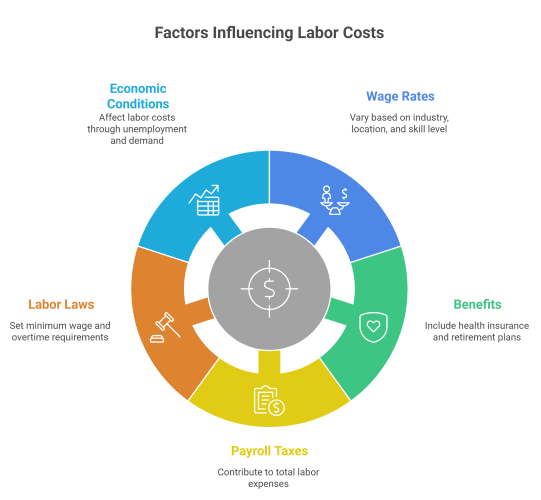
Factors That Affect Labor Costs
1. Home Plumbing Setup
If your home is already pre-plumbed for a water softener, labor will be faster and less expensive. Older homes may require pipe rerouting, new drain lines, or bypass valve installation, increasing labor time and fees.
2. Accessibility
Water softeners installed in tight basements, crawlspaces, or garages can add extra hours to labor costs. Difficult-to-reach locations can add $50,$200 to the final bill.
3. Electrical Work
Some softeners, especially digital or smart units, require a nearby GFCI outlet. If your installation area isn’t wired, an electrician may charge $100,$300 to add a line.
4. Unit Size and Type
Larger dual-tank or high-capacity systems take longer to install, increasing labor time. Salt-free systems might have simpler plumbing requirements, slightly reducing labor.
Step-by-Step Professional Installation Process
Understanding the installation process helps homeowners anticipate labor costs:
- Site Preparation: Identify the ideal location near the main water line, drain, and electrical outlet.
- Pipe Connection: Cut and attach the bypass valve, connect the inlet and outlet lines, and ensure proper sealing.
- Drain Installation: Set up a drain line for regeneration cycles; improper drainage can lead to flooding.
- Unit Setup: Place the softener, fill the brine tank with salt (for ion-exchange systems), and program the control head based on water hardness.
- Testing: Run the first regeneration cycle and check for leaks or performance issues.
Professional installation generally takes 2,4 hours for a standard single-tank system.
DIY Installation: Cost Savings vs. Risks
Some homeowners consider installing their water softener themselves to save labor costs. While DIY installation can save $300,$600, it comes with risks:
- Pipe Leaks: Cutting into the main water line requires precision; mistakes can cause water damage.
- Warranty Issues: Many premium brands like Kinetico or Culligan require certified installation to maintain the warranty.
- Complex Plumbing: Homes with older pipes or limited access may make DIY projects unfeasible.
Tip: DIY installation is best for homeowners with solid plumbing experience, PEX piping, and no electrical work required.
Hidden Costs to Watch For
Even with a basic labor quote, there are several potential hidden expenses:
- Permits & Inspection Fees: Depending on local codes, a permit may cost $50,$200.
- Old System Removal: Disposal and labor for removing your previous softener may cost $100,$150.
- Plumbing Modifications: Bypass valves, new pipes, or drain relocation can add $100,$500.
- Water Quality Testing: Professional testing for hardness, iron, and manganese may cost $50,$150, though many installers include this.
Being aware of these costs upfront prevents surprises and keeps your budget on track.
Brand-Specific Labor and Installation Costs
Choosing the right brand impacts both unit and labor costs:
| Brand | Unit Price | Installed Cost | Notes |
| Culligan | $1,500,$2,000 | $1,800,$2,500 | Trusted brand; reliable installation, moderate maintenance. |
| Kinetico | $2,500,$3,500 | $3,000,$4,000 | Premium dual-tank system; low maintenance; warranty requires certified installation. |
| EcoWater | $1,200,$1,800 | $1,500,$2,000 | Budget-friendly; efficient salt-free options available. |
| Puronics | $1,300,$1,900 | $1,600,$2,200 | Mid-range, reliable, easy maintenance. |
| Hague | $1,400,$2,000 | $1,700,$2,400 | Simple programming; ideal for families of 3,5 people. |
Example: For a 4-bedroom house in suburban Ohio, a Culligan softener may total $2,200 installed, while a Kinetico system could approach $3,500 due to its dual-tank setup.
Maintenance and Labor Considerations
After installation, water softeners require ongoing maintenance:
- Salt Refills: $5,$20/month depending on household size.
- Resin Replacement: Every 10,15 years, $200,$500.
- Service Visits: Professional check-ups may cost $100,$150/year, ensuring proper functioning and avoiding leaks.
Scheduling annual maintenance reduces long-term labor costs and extends system life.
DIY Tips to Reduce Installation Labor
Even if you hire a pro, these strategies can save money:
- Clear the Installation Area: Move furniture, water heaters, and obstacles to reduce setup time.
- Pre-Measure Pipes: Know where cuts and connections will go.
- Check Electrical Access: Ensure a nearby outlet is available.
- Buy Materials Ahead: Teflon tape, bypass valves, and fittings can prevent delays.
A prepared homeowner can reduce professional labor time by 30,50%, translating into significant cost savings.
Common Installation Mistakes
Avoid these pitfalls that can increase labor costs:
- Incorrect Bypass Installation: Can prevent water flow during maintenance.
- Poor Drain Setup: Leads to flooding or system backflow.
- Wrong Unit Size: Oversized or undersized systems increase labor and maintenance frequency.
- Neglecting Local Codes: May require rework and extra fees.
FAQs
What is the average labor cost to install a water softener?
Labor typically ranges from $300,$600 for standard installations, while complex plumbing jobs can reach $1,000.
Does labor cost vary by location?
Yes, labor rates are usually higher in urban areas than rural regions due to cost of living and plumber availability.
Can I install a softener myself to save money?
DIY installation is possible for experienced homeowners, but risks include leaks, plumbing code violations, and voided warranties.
How long does installation take?
Most single-tank systems take 2,4 hours to install. Dual-tank units or complex setups may take longer.
What extra costs should I budget for?
Permits, electrical work, drain line modifications, and old unit removal can add $50,$500 to total costs.
Do all brands require professional installation?
Premium brands like Kinetico often require certified installation to keep warranties valid, while some budget systems allow DIY installation.
How often should I schedule maintenance?
Salt levels should be checked monthly, and professional servicing is recommended once per year to maintain efficiency and prevent leaks.
Are salt-free systems cheaper to install?
They may have slightly lower labor costs due to simpler plumbing, but overall unit prices are often similar to ion-exchange systems.
Can labor cost affect system performance?
Yes, improper installation can cause leaks, uneven softening, reduced efficiency, and faster wear on resin and valves.
How do I choose the right installer?
Choose licensed and insured plumbers with water softener experience, clear pricing, and strong local reviews.
Conclusion
Understanding the labor cost to install a water softener is essential for budgeting and planning your home improvement project. Many homeowners ask and the answer often depends on plumbing layout, system size, and local labor rates.
If your home needs a dedicated cost to install water softener loop, that can increase the overall price, especially in older properties without pre-plumbed connections. Location also plays a role. For example, water softener San Antonio cost may vary based on regional plumbing standards and service demand.
Combined with the cost of the unit, materials, and maintenance, most homeowners can expect a complete installation in the range of $1,500,$3,500.
Planning ahead, comparing brands like Culligan, Kinetico, EcoWater, and Puronics, and considering professional labor versus DIY options helps homeowners make informed decisions while protecting their plumbing and appliances from the damaging effects of hard water.