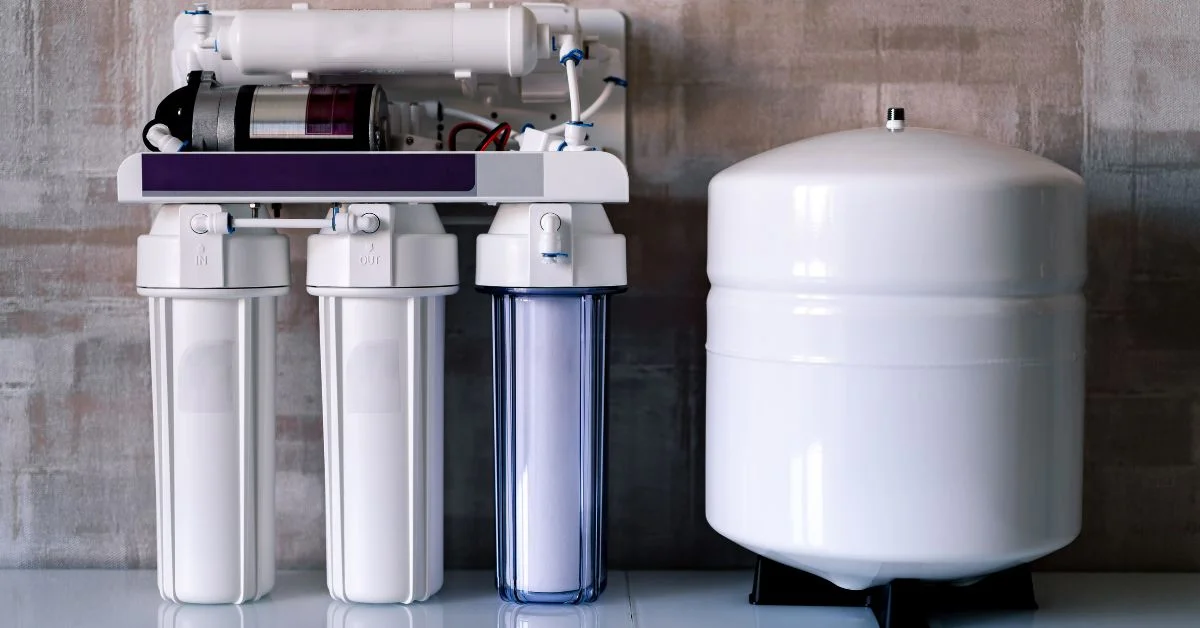
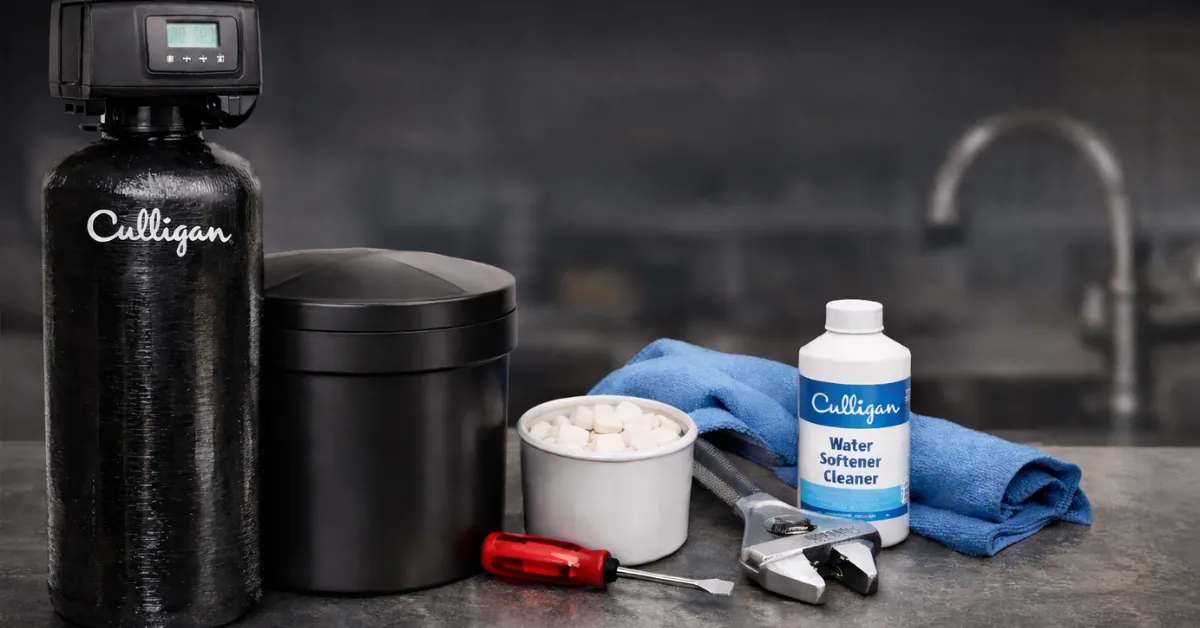
Hard water can quietly damage your plumbing, shorten appliance lifespans, and leave stubborn mineral deposits on dishes, faucets, and laundry. For homeowners, renters, and DIY enthusiasts, understanding the cost for water softener system installation and maintenance is essential before making a decision.
Depending on your home size, water hardness, and system preferences, a water softener investment can range widely-but it often pays for itself through improved appliance efficiency, cleaner water, and reduced soap usage.
A typical home water softener system cost varies between $1,000 and $3,000 for standard installations, while larger or high-end systems, including dual-tank setups and smart-enabled units, can exceed $5,000. Salt-based systems remain the most effective at removing hardness minerals, while salt-free conditioners are generally more budget-friendly but less comprehensive in scale prevention.
Maintenance, resin replacement, and salt or potassium purchases are additional ongoing costs homeowners should consider. Understanding the full financial picture helps make the right choice for both immediate budget and long-term savings.
Water Softener System Cost Overview
The cost to install a water softener system depends on multiple factors, including system type, household size, and installation complexity. Here’s a closer look at typical ranges:
| System Type | Unit Cost | Installation | Total Cost Range | Pros | Cons |
| Ion Exchange (Salt-Based) | $500–$2,000 | $300–$1,000 | $800–$3,000 | Highly effective, long-lasting, reliable soft water | Requires salt, periodic maintenance |
| Salt-Free Conditioner | $300–$1,000 | $300–$800 | $600–$1,800 | Low maintenance, no salt needed | Does not remove hardness, less effective for high-hardness water |
| Dual-Tank Systems | $1,500–$5,000 | $500–$1,500 | $2,000–$6,500 | Continuous soft water, high capacity | Higher upfront cost |
| Magnetic/Electronic | $200–$600 | $100–$400 | $300–$1,000 | Low cost, easy installation | Limited effectiveness, often experimental |
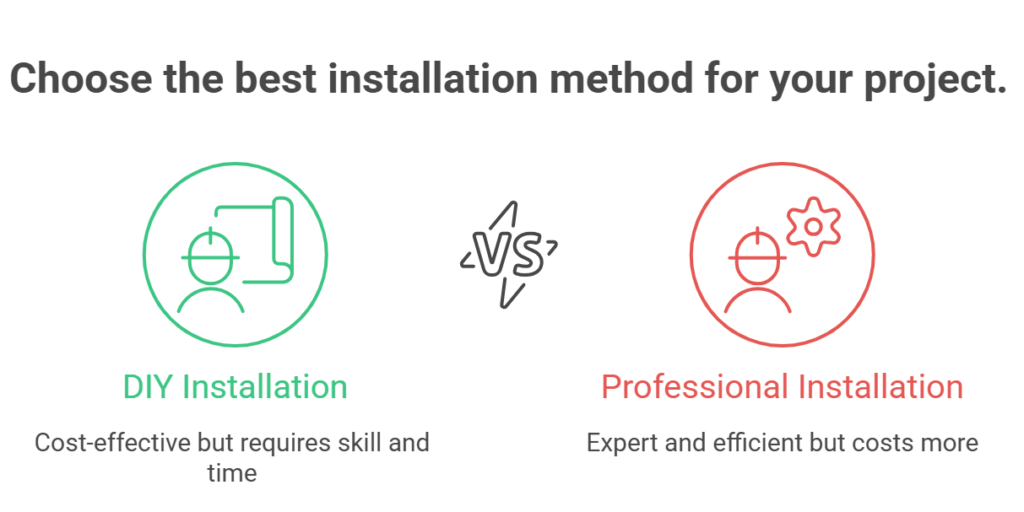
Professional installation typically ensures proper operation, avoids plumbing issues, and may prevent warranty problems, especially for ion-exchange systems or dual-tank setups. For DIY enthusiasts, careful planning, plumbing knowledge, and water testing are essential to prevent costly mistakes.
For detailed regional pricing, see posts like whole house water softener installation cost and cost of water softener system installation.
Factors Affecting Water Softener Cost
Several key factors influence the total water softener system costs:
1. Household Size & Water Usage
Larger households naturally require higher-capacity systems. A typical sizing guideline:
| People in Home | Water Hardness (GPG) | Recommended Capacity (Grains) |
| 1-2 | Up to 10 | 16,000 |
| 3-4 | Up to 10 | 24,000 |
| 1-2 | 11-20 | 24,000 |
| 3-4 | 11-20 | 32,000 |
| 5–6 | Up to 10 | 32,000 |
| 5–6 | 11-20 | 40,000 |
High water usage or very hard water increases both unit size and installation complexity, pushing the cost higher. For instance, a family of six with very hard water may require a dual-tank system, which ensures continuous soft water even during regeneration, preventing soap scum and scaling in appliances.
2. System Type
- Salt-based Ion Exchange: Most effective for true water softening. Requires salt replenishment. Ideal for homes with water hardness above 10 grains per gallon.
- Salt-Free Conditioner: Prevents scale buildup but doesn’t remove minerals. Suitable for areas with moderate water hardness and homeowners who want minimal maintenance.
- Dual-Tank Systems: Ideal for uninterrupted soft water in large homes or households with high water usage. Though more expensive, these systems reduce downtime and maintenance inconvenience.
- Magnetic/Electronic Units: Low-cost option but less reliable for heavy hardness. While they require almost no maintenance, they often fail to provide consistent soft water in hard-water regions.
3. Installation Complexity
Installation costs can increase depending on:
- Plumbing type (copper, PEX, or PVC)
- Distance from the main water line
- Electrical or drainage modifications
- Required permits
- Combination with other filtration systems
Professional installation can range from $150–$1,000 depending on these factors. For homeowners, hiring a certified plumber often saves time and prevents issues like improper connections or cross-contamination with septic lines.
4. Brand and Features
Popular brands vary in price:
- Culligan: $1,800–$2,500 installed, known for reliability and accessible maintenance.
- Kinetico: $3,000+, premium systems with low-maintenance requirements.
- EcoWater: $1,500+, offers salt-free and traditional systems, ideal for budget-conscious households.
- Puronics & Hague: $1,200–$2,500, mid-range options with solid warranty support.
Advanced systems with WiFi, smart controls, and high-efficiency features will cost more initially but can reduce long-term operating costs. For example, a smart Culligan system may cost $200 more upfront but can alert homeowners when salt is low or maintenance is needed, preventing larger repair costs later.
DIY vs Professional Installation
DIY Installation
DIY installation can save money but requires:
- Accurate sizing and water testing
- Plumbing knowledge
- Proper connection to drainage and main water line
- Maintenance understanding
Typical DIY savings: $300–$800, depending on the complexity of the system. However, improper installation can cause leaks, damage to water heaters or appliances, and even void the system warranty. For DIY guides, Aquasure water softener installation cost provides a clear cost breakdown and helpful tips.
Professional Installation
Professional installation ensures:
- Proper system operation
- Compliance with local plumbing codes
- Avoidance of cross-contamination or water damage
- Long-term reliability
Most homeowners spend $800-$3,000 total for professional installation of a standard system. Premium units and dual-tank systems can exceed $5,000, but the reduced risk and longevity often outweigh the higher upfront cost.
Ongoing Costs of a Water Softener
Owning a water softener involves recurring expenses:
Salt or Potassium
- 40-pound bags: $5–$10 each
- Typical usage: 4–8 bags/year
- Annual cost: $70–$150 depending on water hardness and system size
Maintenance & Resin Replacement
- General annual service: $125–$200
- Resin bed replacement: $400–$800 (every 10–15 years)
- Filter replacement: $20–$50 (if applicable)
Regular maintenance ensures efficiency, prevents plumbing damage, and maintains water quality. Homeowners often overlook small details like checking the brine tank for salt bridging, which can cause regeneration issues.
Energy and Water Usage
- Electricity: Typically under $10/year
- Water for regeneration: ~$1/month
- Smart or high-efficiency systems can reduce salt and water usage, lowering overall operating costs.
Common Mistakes and Misconceptions
- Skipping water testing: Leads to oversized or undersized systems.
- Choosing the wrong system type: Salt-free units cannot fully soften water in hard-water areas.
- DIY without knowledge: May cause leaks or void warranties.
- Ignoring maintenance: Reduces efficiency and can damage plumbing.
- Underestimating ongoing costs: Salt, maintenance, and water usage add up over time.
- Focusing solely on price: Cheaper systems may save upfront but cost more in maintenance and efficiency losses.
Step-by-Step DIY Cost-Saving Tips
- Test Your Water First: Know your water hardness (GPG) to select the correct grain capacity.
- Shop by Household Size: Don’t oversize; a properly sized system lasts longer and saves money.
- Consider Salt-Free Options If Light Hardness: For moderate hardness, a conditioner can reduce maintenance costs.
- Check for Rebates: Some utility companies offer rebates on water softeners.
- Combine With Filtration: Systems like the HTO combination reduce the need for separate units.
- Buy Resin Separately if Replacing Old Systems: Resin replacement can extend system life without full replacement.
- Regularly Inspect Brine Tank and Valves: Prevent blockages and ensure proper regeneration.
- Bundle Installation With Maintenance Plans: Some companies provide discounts if installation and yearly maintenance are purchased together.
Real-Life Brand Examples
Culligan
- Unit: $1,800–$2,000
- Installation: $300–$500
- Total: $2,100–$2,500
- Pros: Reliable, easy service, NSF-certified
- Cons: Requires salt, moderate ongoing costs
- Example: A four-person household in Denver installed a Culligan system for $2,300. After one year, reduced soap usage saved $120, partially offsetting the system cost.
Kinetico
- Unit: $3,000–$3,500
- Installation: $400–$600
- Total: $3,400–$4,100
- Pros: Dual-tank, low-maintenance, non-electric models available
- Cons: Higher upfront cost
- Example: A family of six in Austin invested $4,000 in a Kinetico system. Continuous soft water and minimal maintenance made it worth the investment.
EcoWater
- Unit: $1,200–$1,500
- Installation: $300–$500
- Total: $1,500–$2,000
- Pros: Budget-friendly, salt-free options
- Cons: Some models less effective for very hard water
- Example: A small household in Portland installed an EcoWater salt-free system for $1,600. Minimal maintenance and acceptable water softness made it a practical choice.
Puronics / Hague
- Unit: $1,200–$2,000
- Installation: $300–$500
- Total: $1,500–$2,500
- Pros: Mid-range pricing, solid warranty
- Cons: Standard models may lack smart features
- Example: A couple in New Jersey installed a Hague system for $1,900. Annual maintenance cost $150, keeping water soft and pipes scale-free.
Hidden Costs to Consider
- Plumbing Modifications: Extra piping or electrical work may be needed.
- Permit Fees: Some regions require permits for installation.
- Upgrades: Smart monitoring or dual-tank setups increase upfront cost.
- Water Testing: Professional tests cost $50–$100 but prevent oversizing.
- Resin & Filter Replacement: Older homes may need more frequent resin replacement.
Accounting for these ensures your house water softener system cost is accurate from the start.
FAQs:
How long do water softeners last?
Most systems last 15–25 years with regular maintenance. Resin beds typically need replacement every 10–15 years.
Can I install a water softener myself?
Yes, if you have plumbing experience and follow sizing guidelines, but mistakes can be costly. Professional installation is safer for most homeowners.
How much salt does a system use?
Salt usage depends on water hardness and system size. Typically 4–8 bags per year for a family of 4.
Are salt-free softeners effective?
They prevent scale but don’t remove hardness minerals. Suitable for moderate hardness areas, not very hard water.
How much does installation cost?
Professional installation ranges from $300–$1,000 depending on system type and home complexity.
What brands are most reliable?
Culligan, Kinetico, EcoWater, Puronics, and Hague are top choices, varying by budget and maintenance preferences.
Do water softeners increase water bills?
Slightly, due to regeneration cycles, but efficiency improvements often offset the minor increase.
Is a dual-tank system worth it?
For large homes or high water usage, dual-tank systems provide continuous soft water and reduce maintenance downtime.
Should I test my water first?
Absolutely. Water testing determines hardness levels and helps select the right capacity and system type.
What are typical ongoing costs?
Salt: $70–$150/year; Maintenance: $125–$200/year; Electricity & water: minimal.
Can I combine softeners with whole-house filtration?
Yes, combination systems reduce the need for multiple units and save both space and installation costs.
How do smart water softeners help?
They monitor salt levels, water usage, and maintenance schedules, preventing surprises and reducing operating costs over time.
Conclusion
Investing in a water softener system ensures softer water, longer-lasting appliances, and cleaner surfaces throughout the home. Total costs vary widely-$1,000-$3,000 for standard homes, higher for large or dual-tank systems. Understanding unit prices, installation costs, maintenance, and brand differences helps homeowners make a smart, budget-conscious choice. Whether opting for DIY installation or hiring a professional, a properly sized and maintained system delivers reliable, long-term benefits. For localized pricing and installation guidance, explore posts like water softener costs.